- Visa Options: Choose from visa-on-arrival (USD 35) or 30-day visa-free entry.
- Digital Nomad Visa: Allows a stay of up to 5 years.
- High-Speed Internet: Average speed of 50 Mbps in urban areas.
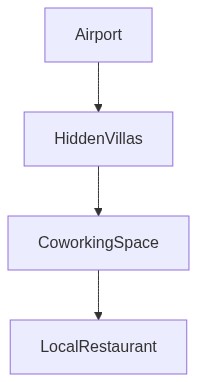
- Coworking Spaces: Popular spots include Dojo Bali and Outpost.
- Hidden Villas: Discover villas from USD 50 per night in Ubud and Canggu.
- Cultural Experiences: Enjoy local traditions, food markets, and temples.
- Transportation: Rent a scooter for USD 40 per month to explore.
“I walked 20,000 steps trying to find this hidden alleyway restaurant, and it was worth every single blister.”
1. The Allure vs The Reality of the Destination
Bali, often crowned as the pearl of the Indonesian Archipelago, naturally lures digital nomads with its idyllic beaches, verdant rice terraces, and a balmy climate. Its vibrant cultural tapestry and artistic legacy are vivid in bustling markets and temple ceremonies. The prospect of working under swaying palm trees with a fresh coconut in hand feels like a siren call to many juggling laptops and deadlines worldwide. Yet, beyond the Instagrammed reality, Bali reveals different layers. The island’s popularity means crowded tourist spots, traffic-clogged roads during peak times, and rising costs in prime areas like Canggu and Ubud. This duality of tranquil beauty and logistical hurdles is quintessentially Bali.
The magnetic pull of co-working spaces in Bali is undeniable. Spaces like Dojo Bali in Canggu offer more than just a desk; they provide a community. Here, knowledge exchange thrives as digital creatives across the globe unite. Although this paints an appealing picture perfect for productivity, expect the occasional downpour during tropical seasons and inconsistent internet connections—an inconvenience that contrasts sharply with Bali’s impeccable hospitality. The influx of tourists contributes to environmental stress, with waste management occasionally struggling to keep up. Sustainability efforts are ongoing, yet slow, reminding everyone that Bali’s allure requires balance with mindful tourism.
Cultural nuances add depth to the Bali experience. Balinese Hinduism permeates daily life, from morning offerings, known as canang sari, to festive processions. Understanding these customs enriches your stay, yet it also means respecting quiet hours during Nyepi, the day of silence. Behind the mysticism and traditions lies a working island resilient to its growing fame. The juxtaposition of the serenity in secluded beaches against the bustling nightlife in Seminyak highlights Bali’s versatility. Visitors need to adapt to the island’s rhythms rather than expecting it to conform to their desires, capturing Bali’s charm in its raw, unfiltered form.
“Bali combines vibrant culture, rich art beliefs, and age-old traditions with its luxurious tourist facilities, making it a unique choice for wanderlusters.” – Tripadvisor
“The island’s natural beauty, friendly locals, and the fantastic food make it an ideal place for digital nomads seeking a work-life balance like nowhere else.” – Forbes
2. Transportation & Accommodation Deep Dive
Bali’s transportation scene is a crucial part of your journey as a digital nomad. While rental scooters dominate the landscape, offering quintessential freedom on narrow village roads, caution is necessary. Without experience, the traffic in dense zones like Kuta might feel overwhelming. Renting a scooter will generally set you back around 60,000 IDR (around 4 USD) per day. For safer travels, ride-hail apps like Gojek and Grab provide affordable options and are adept for short commutes. For longer journeys, like a trip from Canggu to Ubud, hiring a private driver, who may double as a local guide, becomes an insightful endeavor into Bali’s lesser-known anecdotes.
Finding a place to stay in Bali can match any preference or budget. From lavish villas to quaint homestays, options abound. Areas like Kuta or Seminyak gather vibrant nightlife opportunities with mid-range hotel prices starting at around 400,000 IDR (27 USD) per night. In contrast, Canggu, a magnet for digital nomads, offers monthly accommodation starting from approximately 3 million IDR (200 USD) for a private studio. In Ubud, the epicenter of wellness and tranquility, expect serene surroundings with accommodations costing upwards of 2.5 million IDR (170 USD) monthly. For long-term stays, negotiating rent directly with landlords often reaps favorable results.
Hostels, with costs hovering between 150,000 to 250,000 IDR per night (10-17 USD), provide an excellent opportunity for solo travelers to mingle. The AirBnB scene is equally thriving, often featuring poolside sanctuaries at surprisingly affordable rates. Canggu’s co-living spaces, offering shared facilities alongside private rooms, meld community with convenience. To truly immerse yourself, consider staying with local families. These homestays often include breakfast and provide a truly immersive dive into Balinese lifestyle. Regardless of choice, Bali’s accommodational spectrum guarantees comfort interwoven with unique experiences, crucial for the digital nomad balancing work with exploration.
3. Hidden Local Spots & Culinary Secrets
While the beaches of Kuta and the terraces of Tegallalang remain tourist staples, Bali’s true essence blooms in its hidden gems away from the usual paths. Sidemen, a small village nestled among undulating hills, offers rice field treks free from bustling crowds. Its calm and tranquility makes it an ideal retreat for unwinding your mind, and possibly inspiring your next big project. For those eager to connect with nature and spirituality, the sacred springs of Tirta Empul in Tampaksiring hold revered importance. Off the beaten track, visiting Cheeky Monkey in Uluwatu reveals surfers’ hideaway spots paired with breathtaking ocean vistas.
Bali’s culinary landscape is a journey of flavors. Warung stalls, small family-owned eateries, are the heart of authentic Balinese cuisine. In Ubud, seek out Warung Babi Guling Ibu Oka for the island’s best-roasted pork dishes. Fresh ingredients and intricate flavors define each meal, with prices often around 50,000 IDR (3.50 USD) per serving. In Canggu, brunch gems like Crate Café offer trendy fares such as smoothie bowls and nasi campur—a bonus for health-loving digital nomads. In the simmering evenings, head to Seminyak’s night market for satay skewers that glitter in the oily glow of streetside cooking stations, a testament to the local culinary artistry.
If coffee fuels your workday, Bali’s myriad of cafes provide comforting aroma-rich sanctuaries. Seniman Coffee Studio in Ubud is a hub not only for quality brews but also for exchanging ideas with fellow nomads. The island’s infusion of Western culinary influences seamlessly merges with traditional dishes, reflecting Bali’s global connectivity. Many places double as co-working spots with reliable internet and creative ambience. Bali’s culinary secrets cater to vegan, vegetarian, and those with more adventurous palates alike, serving as portals into the island’s vibrant cultural web all nestled within secret enclaves that seldom make traditional lists.
4. Brutal Survival Guide: Visas, Scams, and Budgets
Navigating Bali’s visa requirements necessitates careful planning. For a short initial visit, a visa on arrival is available for around 500,000 IDR (approximately 35 USD), granting 30 days of adventure. For longer stays, consider the Creative Visa, designed explicitly for digital endeavours, allowing for an extended period with renewable options. The bureaucratic maze can be time-consuming, thus partnering with visa agents such as Bali Start-Up can ease the process. Understanding these regulatory layers reflects the overarching theme that, although Bali welcomes, it requires due diligence to thrive as a digital nomad.
Bali, like any popular destination, comes with a fair share of tourist-targeted scams. From overpriced taxi rides to souvenir store mark-ups, vigilance is crucial. Use ride-hailing apps instead of hailing taxis on the street to avoid inflated fares. Currency exchange scams are not uncommon; using established money exchange counters or ATMs ensures a fair deal. Cultural sensitivity also plays a significant role in avoiding faux pas. For example, pointing with your index finger is considered impolite and blatant forehead touches should be avoided in professional contexts. These nuances help you navigate more gracefully amidst Bali’s dynamic local conventions.
Budgeting for a stint on the island requires balancing frugality with experience. Daily budgets hover around 500,000 IDR (35 USD), covering local meals, accommodation in hostels, and some sightseeing. A co-working space pass will set you back an average of 1 million IDR monthly, a worthy investment for stable internet and a productive locale. When estimating costs, consider extra hidden fees such as charging for personal drinks or bringing your external food to cafes and spaces. Yet, it’s these authentic experiences, meandering through local markets and haggling for trinkets, which bring both savings and stories—the real riches of Bali beyond its slopes of sun-drenched sands.
| Category | Budget | Standard | Luxury |
|---|---|---|---|
| Daily Cost | $30 – $50 | $70 – $150 | $300+ |
| Accommodation Type | Hostels & Guesthouses | Private Villas & Boutique Hotels | High-end Resorts & Villas |
| Transport | Rental Scooter or Public Bemo | Car Rental or Ride-hailing Apps | Private Chauffeur |
| Food | Local Warungs & Street Food | Midsize Restaurants & Cafés | Fine Dining & Exclusive Experiences |
| Cultural Experiences | Free Walking Tours & Local Markets | Guided Excursions & Workshops | Private Tours & VIP Access |
| Workspace | Public Spaces or Cafés with Wi-Fi | Coworking Spaces | Luxury Coworking or In-Suite Office |
| Internet Access | Local SIM with Data Package | High-speed Wi-Fi at Accommodations | Fiber-optic High-speed Dedicated Line |
Book a visit to the warungs, the heart and soul of local dining. Warung Babi Guling Pak Malen in Kerobokan is a must-visit for its mouth-watering roasted pig, served with spicy sambals and a side of lawar, a traditional mix of vegetables, coconut, and minced meat. These family-run spots are where you’ll taste authentic Balinese flavors far removed from the polished dishes of resort restaurants.
To truly experience Bali’s diverse landscape, set aside some days for exploring its less famous corners. Rent a scooter for around 100,000 IDR (about $7) per day to get around with freedom. Visit the serene village of Munduk to see its hidden waterfalls and coffee plantations or trek to the quiet beaches of Amed, where you can snorkel among colorful coral reefs.
Avoid the trap of cramming too much into a short visit. Bali isn’t a place to rush through an itinerary; it’s a destination to be absorbed slowly. Take time to stroll through local markets, chat with artisans, and simply relax on a less crowded beach. This way, you’ll leave Bali not only with photos but also with a deep, personal connection to its enchanting cultural tapestry.”