
- Commercial real estate is facing a refinancing cliff due to maturing loans and tighter lending conditions.
- Rising interest rates have increased the cost of refinancing, pressuring property owners’ cash flows.
- Regional banks are heavily exposed, with significant portions of their portfolios tied to CRE loans.
- Default risks are escalating as property values and occupancy rates fluctuate amid economic uncertainty.
- Investors are concerned about potential ripple effects across other financial sectors and markets.
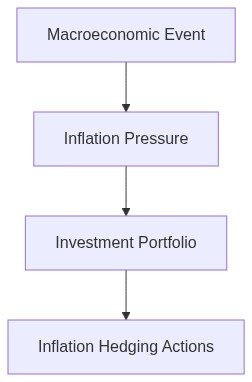
- Inflation concerns complicate the refinancing landscape, making inflation hedging strategies crucial for investors.
“Liquidity is a coward; it disappears at the exact moment you need it most.”
Institutional Research Memo: The Hidden Risk of CRE Refinancing Defaults
Decoupling from Historical Patterns: A New Rate Environment
As we move further into 2026, the commercial real estate (CRE) market is undergoing a significant shift due to dramatic changes in interest rate regimes. Historically low interest rates have fostered a prolonged period of asset appreciation in the CRE sector, underpinned by ample liquidity and relatively stable demand dynamics. However, the macroeconomic landscape has evolved, with central banks, led by the Federal Reserve, opting for a more aggressive monetary policy stance to combat persistent inflationary pressures. Consequently, the U.S. has witnessed a pronounced uptick in interest rates, thereby realigning market expectations and altering portfolio convexity for institutional investors with CRE exposure.
This new environment, characterized by increased rate volatility and a widened liquidity premium, has profound implications for CRE refinancing activities. Specifically, the interaction between elevated rates and the upward repricing of risk indicates potential cracks in the refinancing pipeline. Given that many CRE loans are structured with short- to intermediate-term maturities, the wave of upcoming maturities poses refinancing risks to borrowers. When juxtaposed with a sharp rise in debt service costs, this creates a precarious scenario whereby borrowers may face challenges in meeting new financing conditions, thus elevating the default risk.
“The transition from historically low rates to a tighter financial environment has caused market disruptions, suggesting that many borrowers are inadequately prepared for the changed cost dynamics,” stated a Federal Reserve report. Such conditions necessitate a reassessment of risk models that previously relied on benign interest rate assumptions. Elite fund managers must now contend with adverse selection problems as portfolio stress tests reveal vulnerabilities inherent in properties with leverage ratios that had been sustainable under the prior regime.
Distressed Asset Spirals: The Domino Effect of CRE Defaults
Within the lexicon of distressed asset management, CRE loan defaults represent a multifaceted threat with the potential to trigger cascading failures across financial systems. The inherent interconnectedness lies in the concentration of regional banks’ exposure to commercial mortgage-backed securities (CMBS) and direct CRE loans. As these financial intermediaries navigate the rapidly evolving credit environment, their role in potential contagion events becomes decidedly pronounced. Further analysis reveals that the sector’s current distress is amplified by rates, with property type and geographic location further accentuating idiosyncratic risks.
Notably, the correlation between elevated default rates and declining property values ties into the broader speculative narrative where market sentiment drives asset prices beyond economic fundamentals. This relationship exhibits dynamic instability, where an initial wave of refinancing failures exacerbates a loss of confidence, fostering a liquidity crunch that ripples through the broader economy. The resultant conditions manifest in fire sales of distressed assets, thereby compressing recovery rates and precipitating further downward pressure in related segments.
“The current trajectory suggests a liquidity trap, which if left unaddressed, could irreparably undermine asset recovery prospects,” warns a BIS report. Such insights underscore the importance of preemptive risk management strategies, including the consideration of advanced hedging instruments and strategic partnerships that can alleviate refinancing burdens. In this vein, sophisticated investors must maintain an acute awareness of loan maturity schedules and covenant terms to mitigate the inherent risks tied to distressed asset spirals.
Behavioral Asymmetries and Market Reactions
The prevailing asymmetries in investor behavior and market reactions to CRE refinancing risks highlight the psychological nuances underpinning market movements. In an environment characterized by heightened uncertainty, behavioral finance principles assume greater significance, as fear-induced selling and herd behavior precipitate market anomalies. This behavioral turbulence can result in mispriced assets, creating a potential arbitrage opportunity for astute managers capable of navigating these complexities.
Current positioning and sentiment analyses indicate an anomalously high sensitivity to adverse macroeconomic data releases, underscoring a pro-cyclical orientation among market participants. As risk tolerance diminishes, the resultant shift in the risk-reward paradigm drives a reallocation of capital away from perceived high-conviction assets, like CRE, toward safer liquidity havens, further widening the bid-ask spreads and exacerbating market inefficiencies.
Strategic anticipation of these market reactions necessitates leveraging behavioral insights to inform tactical asset rebalancing. Deploying quantitative models that incorporate behavioral factors can enhance yield-seeking strategies without succumbing to risk underestimation. The successful navigation of this domain entails a holistic approach that not only appreciates technical and fundamental analyses but also judiciously considers the psychological undercurrents influencing market movements.
| Criteria | Retail Approach | Institutional Overlay |
|---|---|---|
| Risk Identification | Limited tools; often reactive | Advanced analytics; predictive models |
| Data Utilization | Primarily historical data | Comprehensive; includes alternative data |
| Refinancing Strategy | Mostly standardized options | Custom solutions; tailored strategies |
| Market Insight | General market trends | Deep insights; sector-specific trends |
| Risk Management | Basic risk mitigation | Robust frameworks; stress testing |
| Decision-Making | Manual and judgmental | Data-driven; algorithmic inputs |
| Resource Allocation | Limited resources | Extensive resources; specialized teams |
| Return Potential | Moderate returns; higher constraints | Higher returns; strategic flexibility |
| Transaction Volume | Lower transaction frequency | High volume; larger scale |
| Regulatory Compliance | Basic compliance | Comprehensive; proactive adjustments |